






Instant coffee: compare the convenience inside the packet
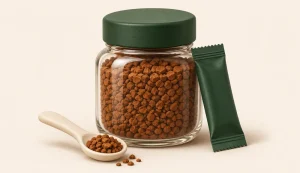
A jar of plain instant coffee, an individually wrapped specialty sachet and an all-in-one latte mix can all promise a quick drink. They are different purchases, however. The coffee content, added ingredients, serving measurement and preparation can vary considerably. The useful instant coffee deal is the one that fits the drink and the routine, whether that means keeping a jar in a desk drawer or packing measured sachets for a trip.
What makes coffee instant?
Instant coffee begins with coffee that is brewed during manufacture. Removing water leaves soluble coffee material that can be reconstituted for drinking. NESCAFÉ describes both spray-drying and freeze-drying processes. These manufacturing terms explain the product format; they do not, by themselves, establish which brand a particular person will enjoy most.
Ground coffee has a different job: it still needs brewing and filtration. A portable drip bag or steeping bag is therefore not automatically instant coffee. Liquid concentrate is another distinct format, already prepared in liquid form and diluted according to its instructions. Deer Garden offers both instant jars and Melted Brew concentrate, making the selected product name especially important when comparing its range.
Choose the format for the situation
| Situation | Useful comparison |
|---|---|
| A regular desk routine | Jar size, spoon-measured servings and how the opened jar is stored. |
| Occasional travel | Individual sachet quantities, packing space and the liquid needed for preparation. |
| A quick milk-style drink | Whether the product contains creamer or requires separate milk. |
| A shared household | Plain coffee flexibility versus a fixed sweetened or flavored recipe. |
A jar allows strength to be adjusted by changing the measured amount. Sachets make portions easy to count but may not suit every preferred cup size. A formulated drink can remove several preparation steps, yet it also fixes more of the recipe. Choose the convenience that solves a real problem instead of assuming that the most elaborate ingredient list is the best fit.
A small plain-coffee jar can serve a household with different preferences because milk and sweetness are added separately. A fixed latte formula can suit a person who wants the same drink with fewer steps. For travel, check whether the packet needs only water or ingredients that will be difficult to keep available.
Read beyond the front of a latte-mix packet
Some instant products contain only coffee; others add sweeteners, dairy or plant ingredients, flavorings, collagen or mushroom ingredients. A vanilla latte mix should not be compared with plain soluble coffee on package weight alone. Much of that weight may be other ingredients. The ingredient panel and the manufacturer’s serving size provide a better basis for comparing the finished drinks.
FitCoffeeCo, for example, sells a formulated coffee mix rather than a conventional bag of roasted beans. Mushroom Cups offers individually portioned coffee blends containing mushroom ingredients. These are useful examples of why product-level information matters. General wellness language does not replace ingredient disclosure, and a mix containing coffee should not be assumed caffeine-free simply because other ingredients receive more attention in its advertising.
Do the serving calculation before using a coupon
Divide the amount paid, including delivery, by the number of servings prepared according to the selected product’s directions. A hypothetical $15 jar providing 30 servings works out at $0.50 per serving before separately purchased milk or additions. A $12 pack containing eight sachets works out at $1.50 each. Those figures illustrate a method, not current prices or an assessment that the products taste alike.
For a bundle, confirm how many sachets are in each box. A pack containing four ten-sachet boxes is not the same quantity as four twenty-sachet boxes. If a subscription price appears beside a one-time price, note which option is selected. The introductory saving and the later recurring charge can lead to different comparisons.
Preparation details that prevent a disappointing order
Follow the product’s instructions for powder quantity and liquid volume. An iced drink may call for dissolving the powder in a small amount of warm water before adding cold ingredients; some products advertise a different cold-mixing method. Do not assume every mix dissolves equally in every liquid. Keep storage instructions with the product, close jars after use and avoid allowing wet spoons into dry coffee.
Offers from the related stores can include coupon codes, retailer signup promotions or subscription savings. A public code is only one type of deal. An email signup may provide personal redemption instructions, while an automatic bundle price may require no code at all. Check the selected variant and the final checkout summary so the comparison remains about the coffee actually being ordered.
Quick instant coffee FAQs
Is freeze-dried coffee a different ingredient from coffee?
Freeze-drying describes a manufacturing method used to remove water from brewed coffee. Check the product’s ingredient list to see whether the finished packet is plain coffee or a blend with additions.
Can an instant product make an iced latte?
Often, but preparation varies. Use the selected brand’s mixing instructions and remember that a plain coffee sachet may require milk separately, while a latte mix may already contain other ingredients.
Do bigger sachet bundles always provide a larger saving?
No. Compare the same sachet count, portion size and formula. Check whether the advertised percentage applies to that exact bundle and whether delivery changes the amount paid.
Can the same coupon cover a plain jar and a formulated mix?
Only if the retailer includes both products in its offer. Read exclusions and selected-variant rules, then confirm the discount rather than relying on a general store banner.
Is a coffee steeping bag an instant coffee sachet?
Not necessarily. A steeping bag usually holds ground coffee that needs time in water, while a soluble sachet dissolves. Check the preparation directions: a similar single-serve package can contain a very different coffee format.