


















Ground coffee deals start with the right grind
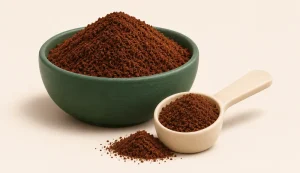
Buying ground coffee removes the need to grind beans at home, but it makes one decision especially important: the grind must suit the brewing device. A bag intended for a cafetière is different from a bag prepared for an espresso machine. This page helps compare those options alongside relevant ground coffee deals. It is particularly useful for households without a grinder, offices ordering a shared supply and gift buyers who know which brewer the recipient uses.
Three orders that should not be treated alike
Imagine three buyers selecting the same roast. One uses an automatic drip machine, one a French press and one a portafilter espresso machine. Their coffees may begin as the same beans, but the retailer needs different preparation information. Water moves through or stays in contact with those grounds differently. A generic “ground” option may be adequate for some machines, while a retailer offering method-specific choices can prepare a more suitable order.
Read the menu before selecting a bag. Terms such as filter, drip, cafetière, moka and espresso are more helpful than a product photograph showing a cup. If the seller asks about a pressurized espresso basket, answer using the machine’s manual. Craft Coffee Canada and Farm & Forest explicitly ask buyers to identify preparation details, so correct selection matters before the purchase is completed. Check the retailer’s return conditions before ordering coffee prepared to a particular grind.
If a familiar coffee suddenly drains much faster or slower, check the selected grind before changing everything else. Grind labels are not perfectly standardized between roasters. Record the brewer’s model when asking for advice, and keep the first order small while finding the preparation that works with the equipment already owned.
Ground, instant and coffee bags: different formats
Ordinary ground coffee is roasted coffee reduced to particles for brewing and filtering. It does not become an instant drink simply because it looks like powder. Instant coffee has already been brewed and dried during manufacture, so it is prepared by reconstituting it. Confusing the two can leave a mug full of grounds and an unsuitable purchase.
Single-serve steeping bags and hanging drip bags contain coffee intended to be brewed through or inside a filter. Witch Coffee is an example of a store using portable coffee-bag formats. Those products may fit a kettle-only routine without being soluble instant coffee. Read whether the bag hangs over a cup or steeps in the drink; the preparation instructions are part of the product choice.
A practical way to compare the offers
- Identify the brewer and the grind format it requires.
- Choose a roast and decide whether plain, flavored or decaf coffee is wanted.
- Compare actual coffee weight rather than the apparent size of the bag.
- Add shipping and any required minimum quantity to the price.
- Check that the coupon covers the selected ground-coffee variant.
For example, two smaller bags can provide the same total weight as one larger bag while allowing the second to remain sealed. That may suit a slow-drinking household better than the lowest possible price per kilogram. Conversely, an office with a known daily consumption can compare larger formats without guessing how long they will last. Neither buying pattern is inherently the best; the expected use makes the difference.
What the flavor description can tell you
A ground coffee can be a blend or a single origin, and the grind does not determine the roast. A medium roast described with caramel notes may suit someone seeking a familiar morning cup, while an origin coffee with fruit notes may appeal to a buyer who enjoys variety. These are preferences rather than quality rankings. Check whether flavor notes describe the coffee or whether flavorings are listed as ingredients.
Ranger Up’s product menus illustrate how a retailer can offer several grind choices for a coffee. Odie’s now lists ground options on selected coffees, while its espresso blend may have different format restrictions. Product-level information is more reliable than assuming that every item at a store has every grind available.
Keep the purchase easy to use
Close the bag or suitable container after use and follow the seller’s storage instructions. Keep a dry measuring utensil with the coffee rather than introducing water into the supply. The NCA’s storage guidance emphasizes limiting air, moisture, heat and light. Buying smaller quantities can make sense when consumption is uncertain; a larger discount does not compensate for buying several months of a format that nobody needs.
Answers before ordering ground coffee
Can one bag work in both drip and espresso machines?
Not necessarily. The required grind can differ substantially. Ask the roaster about the exact equipment or choose separate grind options rather than expecting one generic preparation to suit both.
Does choosing ground coffee change the roast?
No. Roast and grind describe different things. A product can offer the same roast as whole beans and in several ground formats, although availability depends on the particular retailer.
What if the welcome coupon excludes my chosen bag?
Check the offer’s product exclusions, first-order requirement and minimum spend. Compare the undiscounted delivered price before adding unwanted coffee solely to make a code apply.
Should a gift order be ground in advance?
Only after confirming the recipient’s brewing method. A correctly chosen ground bag can be convenient, while an unknown or incompatible grind makes the gift harder to use.
Is espresso roast the same as espresso grind?
No. Espresso roast describes how a coffee is roasted or positioned for brewing; espresso grind describes particle size. A bag can have an espresso-style roast but arrive as whole beans. Select both the coffee and the required ground format.