

Coffee creamers and syrups: choose flavor, sweetness and texture
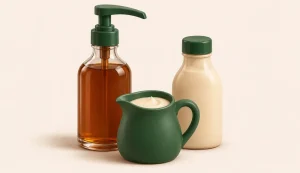
Creamers, syrups and sauces are often displayed together, but they do different jobs. A creamer can change texture and appearance; a syrup commonly adds flavor and sweetness; a sauce can have a thicker consistency and a different mixing method. A useful deal starts with the result wanted in the drink. Buying the largest flavored bottle is not economical if it does not work with the coffee normally prepared.
Texture, sweetness and flavor are separate choices
Someone who likes the coffee’s flavor but wants a softer texture may be looking for a different product from someone who wants a vanilla-sweetened iced drink. Read what the product actually contains and how it is meant to be used. A flavored creamer may perform more than one role, while an unsweetened flavor product may need a separate sweetener to reproduce a particular café-style recipe.
Syrup and sauce are not automatically interchangeable in equal quantities. Their concentration, ingredients and viscosity can differ. Follow the maker’s serving suggestions as a starting point and adjust a measured amount. For a cold drink, check the mixing directions rather than assuming a thick product disperses in the same way as a thinner one.
A label-reading checklist for coffee additions
- Identify the serving size used for the nutrition information.
- Read the ingredient and allergen statements on the selected product.
- Check which sweeteners are used if choosing a sugar-free version.
- Distinguish a flavor description from a dairy-free or other dietary claim.
- Find the storage instructions for both unopened and opened packaging.
Product families can contain exceptions. A general brand statement should not replace the label for a particular sauce or seasonal flavor. A caramel syrup and a caramel sauce sold by the same company can have different ingredients. If a purchase depends on a dietary requirement, check the exact variant and packaging information rather than assuming that the flavor name answers the question.
Calculate the bottle’s useful servings
Compare the volume or weight and the suggested amount per drink. As an illustrative example, a 750-millilitre bottle used at 15 millilitres per drink provides 50 portions. At a hypothetical delivered price of $15, that is $0.30 per portion. Doubling the amount per drink halves the number of portions. The calculation helps compare bottles without assuming every syrup has the same concentration or preferred serving.
Pumps add another variable. Check whether the pump is included, whether it fits that bottle and how much it dispenses. A pump from another product may not deliver the same portion. Measuring the initial recipe can be more useful than counting pumps without knowing their volume.
Opened-bottle storage can change the buying decision
Read the brand’s instructions before choosing a large format. Monin’s FAQ explains that shelf life after opening varies with storage conditions and whether the original cap or a pump is used. Torani publishes separate guidance for different product families, including its Puremade range. Those examples show why one general rule should not be applied to every syrup, sauce and creamer.
A small household using one flavor occasionally may benefit from a smaller bottle even when the unit price is higher. A shared coffee station may finish a larger format promptly, provided handling and storage follow the label. Keep the original product information available and do not assume that a new pump removes the need for careful handling.
For a shared coffee station, one familiar flavor and a plain option may be more useful than a large assortment. Mark the opening date and keep the product’s storage directions available. Torani publishes different guidance across its syrup and sauce families, so bottle size should be chosen with that particular product’s instructions in mind.
Where to look among related stores
Cafe Elite’s online shop includes syrups, sugar-free syrups, sauces and mixes alongside packaged coffee. That range can be useful for assembling a particular drink, but the coffee and flavoring should be priced separately. A promotion on coffee beans does not automatically cover the sauce beside them. Other related stores may stock only selected additions, so category membership is a starting point rather than a promise of a full flavor catalogue.
Vashon Coffee Dust, illustrates another distinction: spice blends for coffee are not the same thing as liquid syrup or creamer. A product can add flavor without providing the sweetness or texture expected from a conventional addition. Choose by function rather than assuming all products marketed for coffee make the same kind of drink.
Questions about flavor offers
Does sugar-free mean the product has no sweetener?
No. It may use alternative sweeteners. Read the selected product’s ingredient list and serving information to understand what is being purchased.
Can one syrup recipe be copied to every brand?
Use it as a starting comparison only. Concentration, flavor and serving guidance differ. Measure a small amount first and adjust the finished drink.
Is a multi-bottle deal useful for occasional coffee drinkers?
Consider how quickly the bottles will be used after opening. A lower unit price can be less useful than a smaller quantity that fits the actual routine and storage instructions.
Can a flavoring code be combined with a coffee discount?
Only if the retailer’s terms allow both. Check product exclusions, minimum spend and whether the selected offer applies to the complete basket or only specific items.
Does a syrup pump fit every bottle from the same brand?
Do not assume it does. Check the bottle size, neck fit and product family listed for the pump. Also verify the amount dispensed per stroke before using pump counts to compare recipes or calculate the cost of each drink.